
RV vs. Tent Camping at Burning Man: Which Is Better?
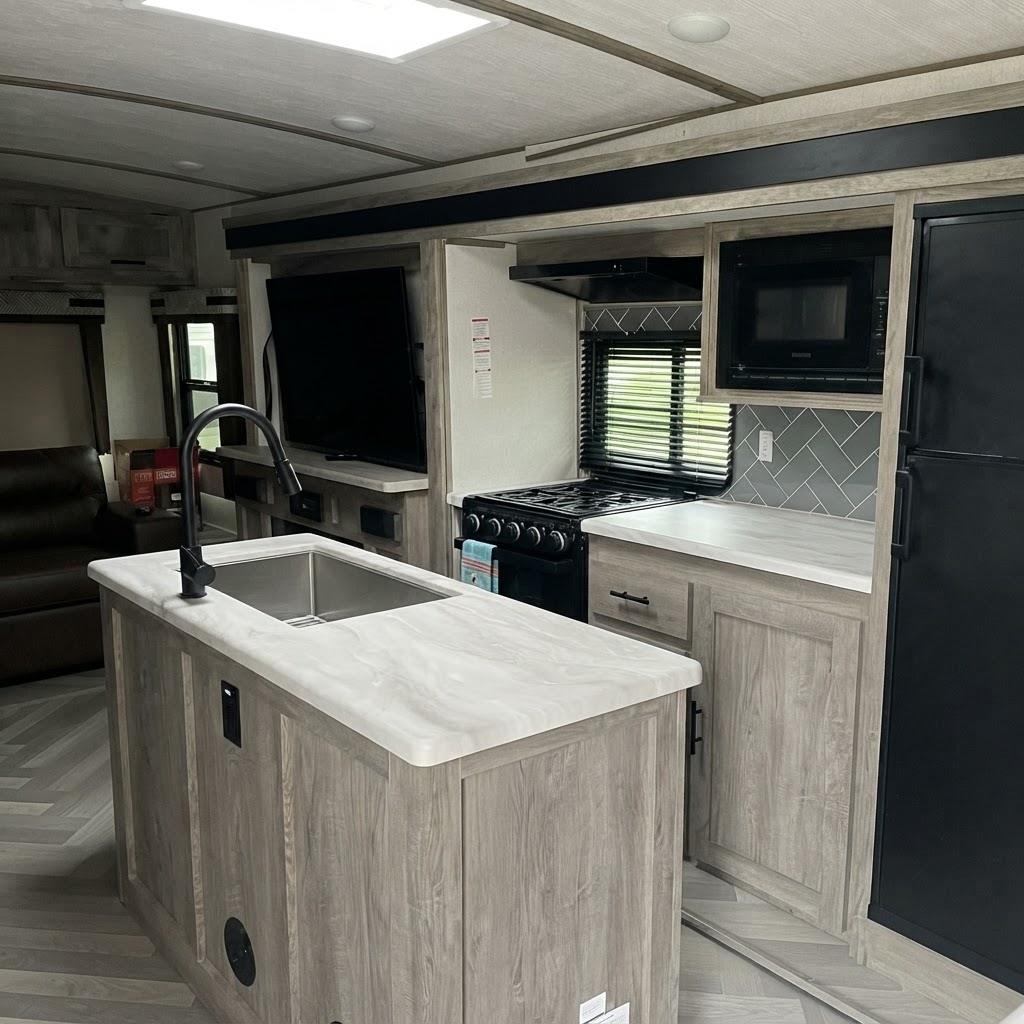
RV versus tent camping at Burning Man is really a question about sleep and heat. Both work: thousands of people have excellent Burns in tents, and thousands spend nine days wishing they had rented a trailer. The right answer depends less on budget than on how you want to spend your energy.
Sleep
Tent: you wake when the sun hits at 7am. Afternoon sleep in a tent above 40°C is close to impossible. Most tent campers run a night-shifted schedule whether they planned to or not.
RV: blackout curtains, insulation and air conditioning buy you genuine daytime sleep. For anyone with a job to return to, or a low tolerance for sleep deprivation, this is the decisive difference.
Dust
Tent: dust enters continuously and settles on everything. You will sleep in it.
RV: a sealed trailer keeps most of it out. Dust still gets in every time the door opens, and filters need changing, but you have a clean room to retreat to.
Heat and cold
Tent: shade is your only defence, and desert nights are genuinely cold.
RV: a fridge that works, a fan, a heater at night, and a place to sit out of the wind.
Cost
Tent camping is cheaper on paper. Add up a quality tent, shade structure, cooler, bedding, cooking gear, and the vehicle to carry it all, and the gap narrows. Add a hotel night or two to recover, and it narrows further.
An RV rental is a larger single outlay, but it is one booking that covers shelter, refrigeration, cooking, toilet and shower. See what drives rental cost before you decide it is out of reach.
Camp dynamics
Tents are social in a way trailers are not. You hear your camp, you see the sky, you are outside. Some people find trailers isolating — you can accidentally spend the Burn inside a box.
If you rent, make a rule: the trailer is for sleeping and escaping heat, not for hiding. Eat with your camp, sit with your camp.
Logistics
Tent: fits in a duffel, needs no tow vehicle, flexible placement, and packing up wet and dusty is unpleasant but simple.
RV: needs towing or delivery, placement needs thought, and the return clean-up is not your job. For fly-in guests, a motorhome or delivery solves the vehicle problem.
Who each suits
Tent is probably right if you are flexible about sleep, travel light, love being outdoors, are camping with an experienced camp, and want the lowest cost of entry.
An RV is probably right if you need real sleep, are travelling with a partner or family, have a physical need for a bed and a toilet, are flying in, or simply want the event without the recovery week.
The honest middle option
Many guests rent a trailer and still spend most of their day outside it. That is the intended use: a base, not a bunker. If that is how you plan to Burn, the rental pays for itself in energy.
Compare the trailers we run or tell us how you plan to camp.
The first 24 hours, compared
The difference is clearest on arrival day.
In a tent: you find your spot, fight the wind with poles and guy lines, and finish pitching as the sun goes down. Then you realise you have nowhere to sit that is not dust, and dinner is a negotiation with a camp stove.
In a trailer: you level, chock, unhitch or park, and open the door. The bed is already made, the fridge is already cold, and the first meal is a question of what you brought rather than what you can assemble.
Neither is better in the abstract — but on day one, when you are tired and the wind is up, the trailer removes an entire category of work.
Group size changes the answer
Solo or a couple, tent camping is genuinely viable and social. Renting a trailer for one person is a lot of money and a lot of empty space.
Four to six people, the maths flips. A trailer sleeping six splits the cost six ways and gives everyone a bed, a fridge and a shower. The same group in tents is carrying six sets of gear, six coolers and a shared shade structure that someone has to transport.
Families and anyone with a medical need for a proper bed, toilet or refrigeration should treat the trailer as necessary rather than indulgent.
What the tent crowd gets right
Tent campers are outside by default, which is the point of the event. They hear the city, they see the sky, and they are five steps from their camp. Trailer guests who forget this spend the week indoors and miss the Burn entirely.
The correction is a rule, not a purchase: the trailer is for sleeping, cooling and recovering. Everything else happens outside with your camp.
The middle path
A camper van or a small trailer for two gives most of the sleep and cooling benefit without the footprint of a large unit. For a shorter stay, it is a sensible compromise.
Frequently asked questions
Is an RV necessary for a first Burn?
No. But it removes the two things that most commonly ruin a first Burn: heat exhaustion and no sleep.
Can I rent an RV and still camp with a tent group?
Yes, subject to placement. Tell your camp you are arriving with a trailer so they allocate space.
What about a van or camper?
A camper van is a reasonable middle ground for one or two people, with less water and power capacity than a trailer.
Is a trailer safe in high wind?
Safer than a tent. Level it, chock the wheels, stow the awning and keep slides in during a blow. Follow event guidance in a dust storm.
Can I camp with friends who are in tents?
Yes, and it usually works well — the trailer becomes the shared fridge and shade. Tell your camp early so placement accounts for it.
Does an RV make Burning Man less social?
Only if you let it. Guests who use it as a bedroom and heat refuge tend to have a better week than those who hide in it.
The fleet
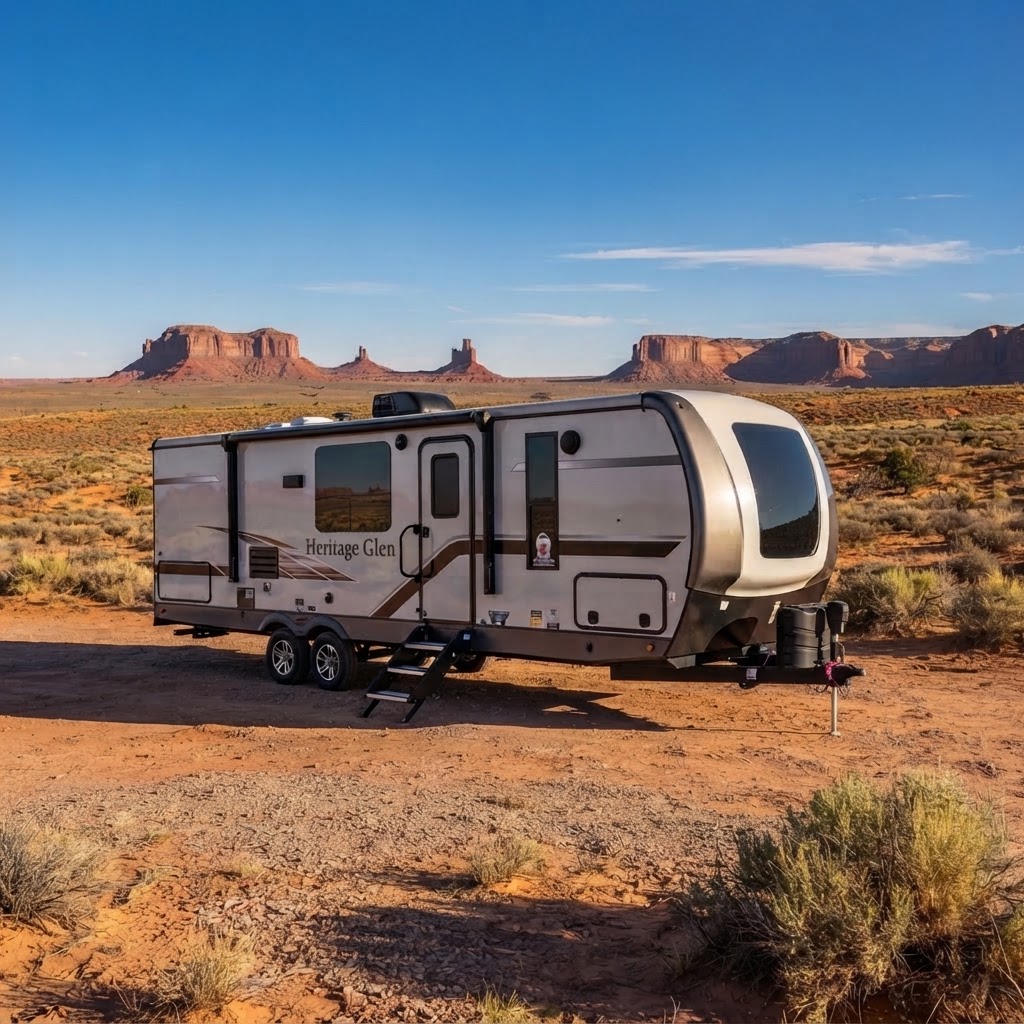
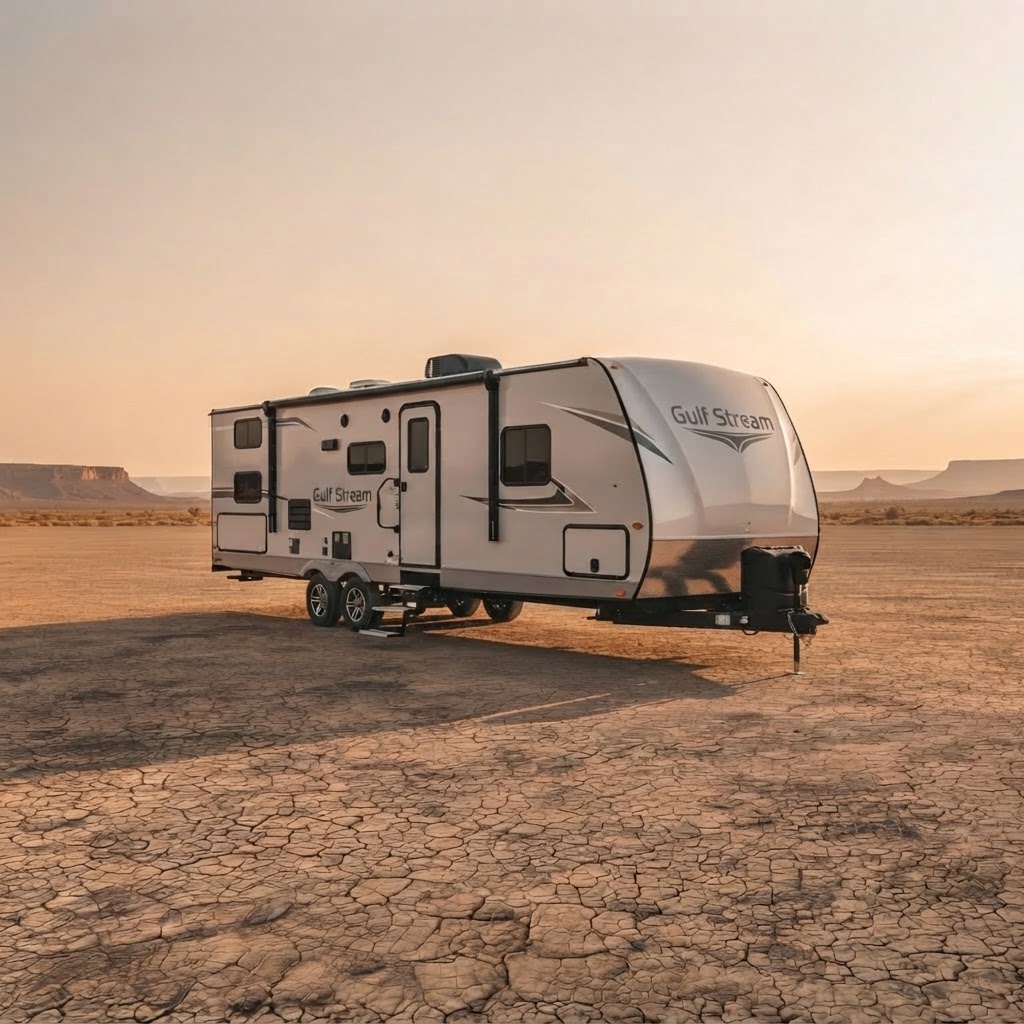
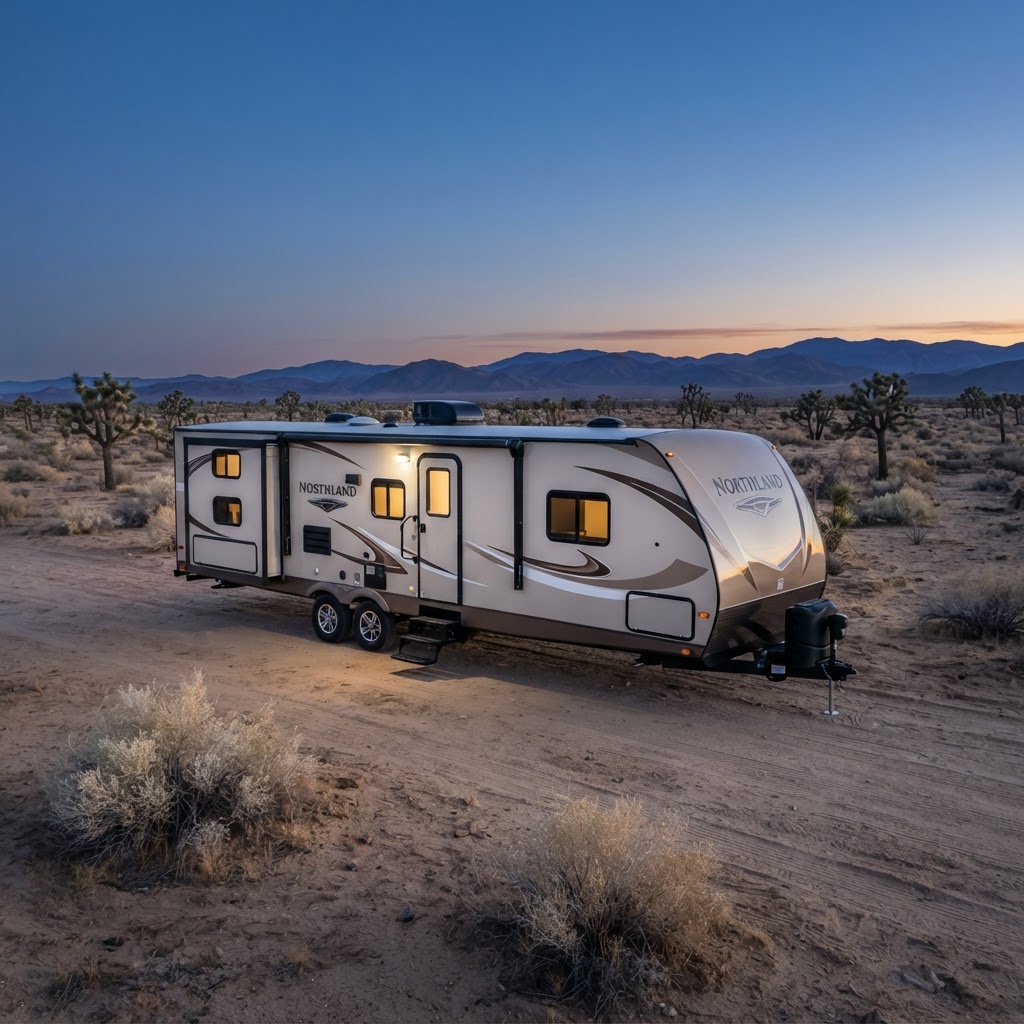
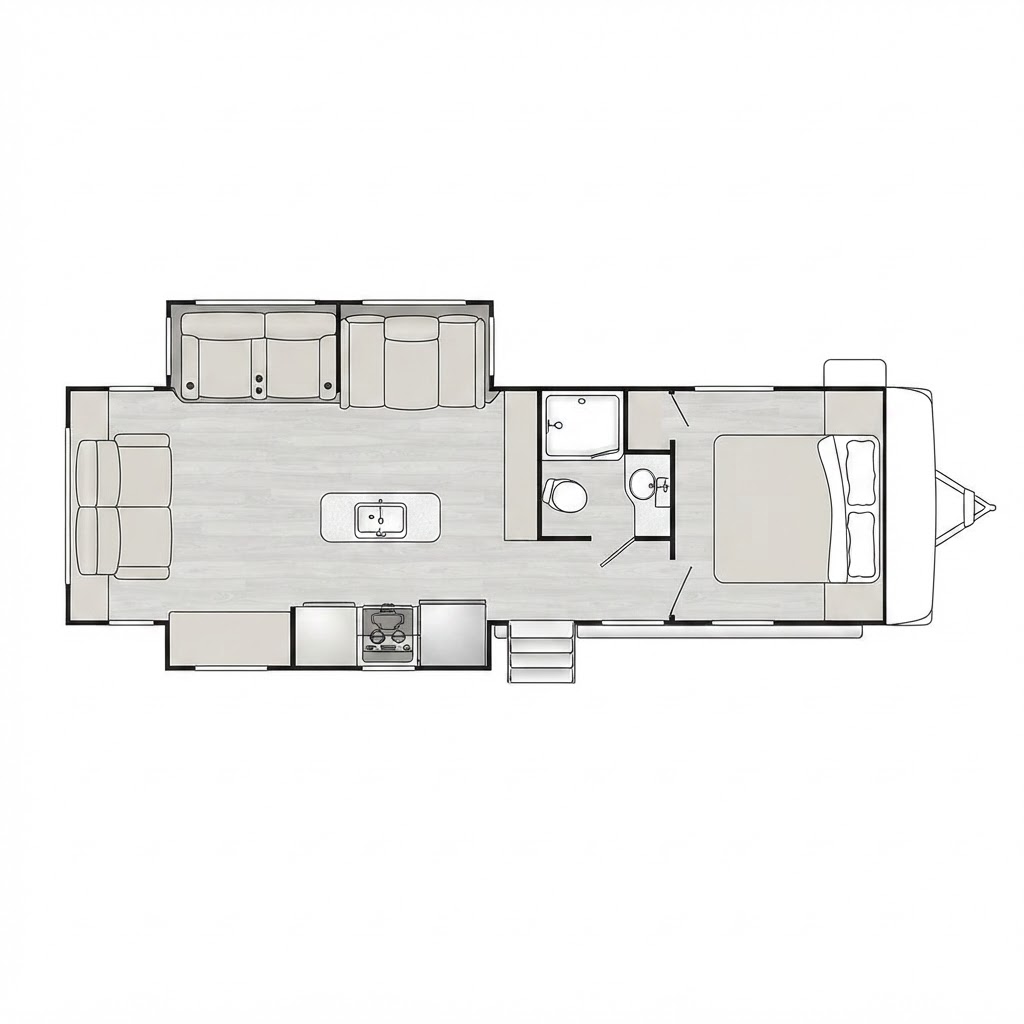
Trailers available this season
Keep reading
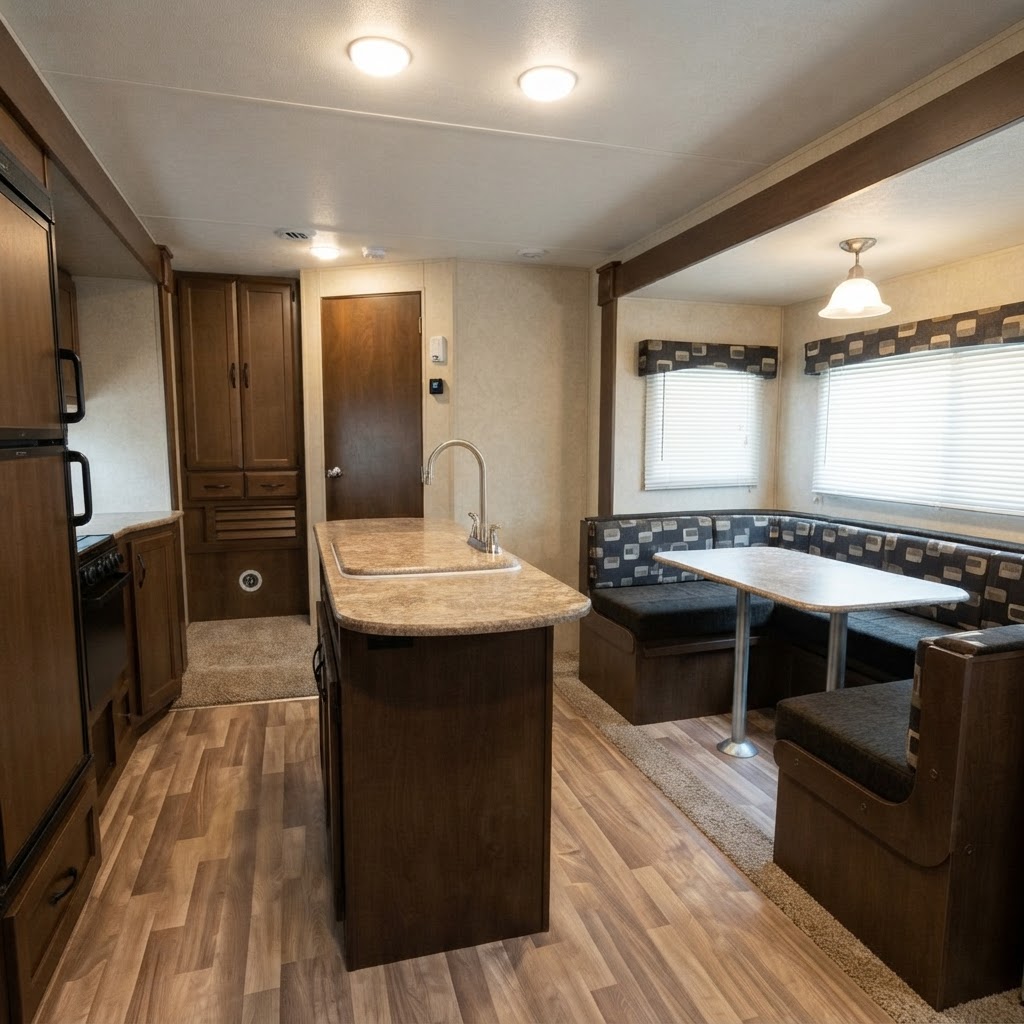
How Much Does It Cost to Rent an RV for Burning Man?
What a Burning Man RV rental really costs: nightly rates, cleaning fees, deposit, delivery, generator fuel and how to compare quotes on a per-person basis.
September 16, 2026
The Complete Burning Man RV Rental Guide
How a Burning Man RV rental actually works: choosing the right trailer, power and water limits, booking timing, delivery, real costs and dust survival.
September 12, 2026
Why Renting an RV in Reno Makes Sense for Burning Man
Why Reno is the practical starting point for a Burning Man RV rental, what to confirm at pickup, and how to stage water, fuel and supplies before the desert.
September 20, 2026