
Reno to Black Rock Desert: Planning Your RV Trip
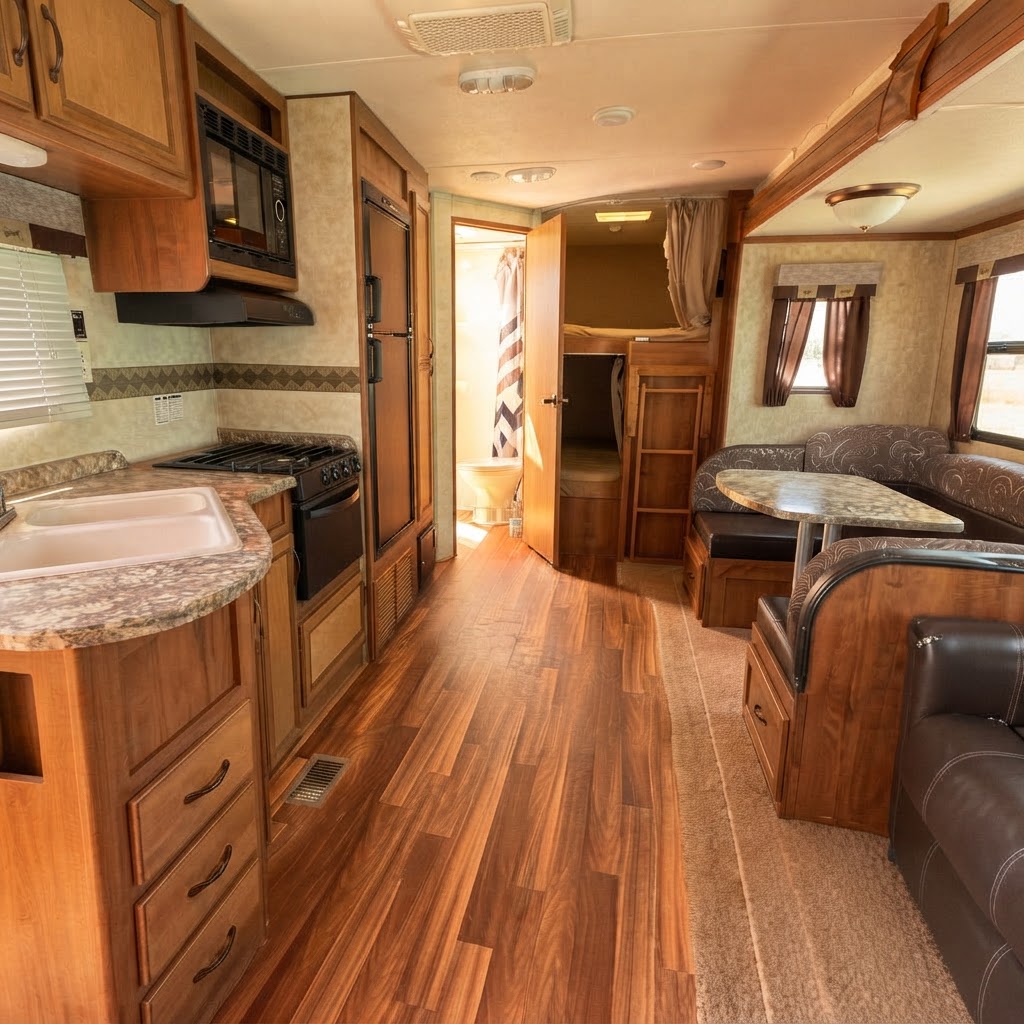
The Reno to Black Rock Desert RV drive is short by Nevada standards and unforgiving by any standard. It rewards preparation and punishes improvisation.
The route
The conventional approach runs north from Reno through Sparks and Wadsworth, then northwest on State Route 447 through Nixon and Empire to Gerlach. From Gerlach, the event access road leads onto the playa.
Distances are modest — roughly 100 miles to Gerlach — but time is dominated by the final stretch: a two-lane road with limited passing, low speed limits near the event, and heavy traffic on opening days.
Fuel: fill before you leave pavement
There is very little fuel between the interstate and the playa, and demand during the event empties what exists. Fill:
- The tow vehicle
- Any generator fuel cans
- A spare can for the return
Do not plan to top up near the event. Plan to arrive with more than you need.
Water
Fill your fresh tank in Reno or Sparks before you go. Carry drinking water separately so the onboard tank stays dedicated to washing and flushing. Confirm your chosen fill point is potable and RV-accessible before you commit.
Timing the drive
- Leave in the morning. Daylight matters for both the drive and for setting up camp.
- Expect the queue. The final approach can take hours on opening day; it is not a breakdown, it is the event.
- Avoid arriving after dark if it is your first time. Dust, unfamiliar roads and a crowded camp are a poor combination at night.
Wind and dust on the road
Afternoon winds can reduce visibility sharply and push a trailer around. If visibility drops, slow down, use low beams and consider stopping somewhere safe rather than pressing on. A high-profile trailer in a crosswind demands both hands and reduced speed.
Check current conditions before departure, and read the official event guidance on arrival and vehicle rules.
Weight, grades and braking
The route has gentle grades, not mountain passes, but a loaded trailer still changes how you drive:
- Brake earlier and further ahead of corners
- Keep a larger following distance
- Use engine braking on descents rather than riding the trailer brakes
- Re-check tyre pressures cold before leaving
Last stop before the dust
Gerlach is the final town. Treat it as a checkpoint, not a shopping opportunity — supplies there are limited and stretched during the event. Use it to confirm your trailer is secure, your water is filled and your fuel is full, then continue.
Arriving at camp
Once through the gate:
- Follow marshal directions, keep speed low
- Park where you are placed, not where looks convenient
- Level the trailer and chock the wheels before unhitching
- Set shade before the sun climbs
Towing a trailer versus driving a motorhome
The route is the same; the driving is not.
Towing demands more from the driver: longer braking distances, wider turns, a slower comfortable cruising speed and careful attention in crosswinds. Reversing is the skill that catches people out, and it is worth practising once in an empty lot before you leave Reno.
A motorhome drives like a large van and needs no hitch skills, but it is wide, tall and affected by wind. Watch clearance signs and take corners generously.
Either way, the discipline is the same: leave a bigger gap than feels necessary, brake earlier, and do not overtake on the two-lane stretches unless you can see a long way ahead.
When the road stops
Event traffic can halt for long stretches near the access point. Treat a stop as a planned condition rather than an emergency: carry water within reach, keep snacks in the cab, and have a full fuel tank. Do not leave the vehicle unattended in a moving queue, and do not walk on the roadway in low visibility.
If the delay is long and hot, run the engine only as needed and keep the windows shaded. A queue is uncomfortable, not dangerous, provided you have water.
Arriving after dark
Arriving at night is workable if you are prepared and unwise if you are not. Visibility in dust is poor, the camp is full of people and bikes, and levelling a trailer by torchlight is slow.
If you must arrive late: reduce speed further, follow marshal directions exactly, use hazard lights when stopped, and accept whatever placement you are given rather than hunting for a better spot. Set up minimally, sleep, and finish in the morning.
Driving home afterwards
The return drive is where fatigue shows. Leave camp rested rather than at the end of a long final night, keep the same speed discipline, and stop in Gerlach or Fernley for a proper break rather than pressing through. Dust on the windscreen plus low sun is a poor combination, so carry water for the glass and clean it before you set off.
A note on the final approach
The last stretch before the gate is where most of the driving stress sits: dust, low speeds, marshals and a lot of vehicles. Turn your lights on, keep the speed low, follow directions without debating them, and give cyclists and pedestrians far more room than you would in town.
Frequently asked questions
How long does the drive take?
Plan three hours from Reno to the playa entrance in normal conditions, longer on opening day.
Can I tow a trailer on Route 447?
Yes. It is a normal highway; drive to conditions and expect slow traffic near the event.
Is there anywhere to dump tanks on the way?
Facilities are limited. Plan to manage waste within the event's rules rather than relying on roadside dumping.
What if I break down?
Carry water, food and a charged phone, and contact your rental provider's roadside line first.
Is there a better time to arrive?
Early in the day, before the afternoon wind. It makes both the drive and the setup easier.
Do I need a four-wheel-drive vehicle?
Not for the highway. Traction on the playa itself is generally fine when dry; drive slowly and avoid soft patches.
What should be within reach in the cab?
Water, sunglasses, a dust mask, your vehicle pass, and a charged phone with offline maps.
The fleet
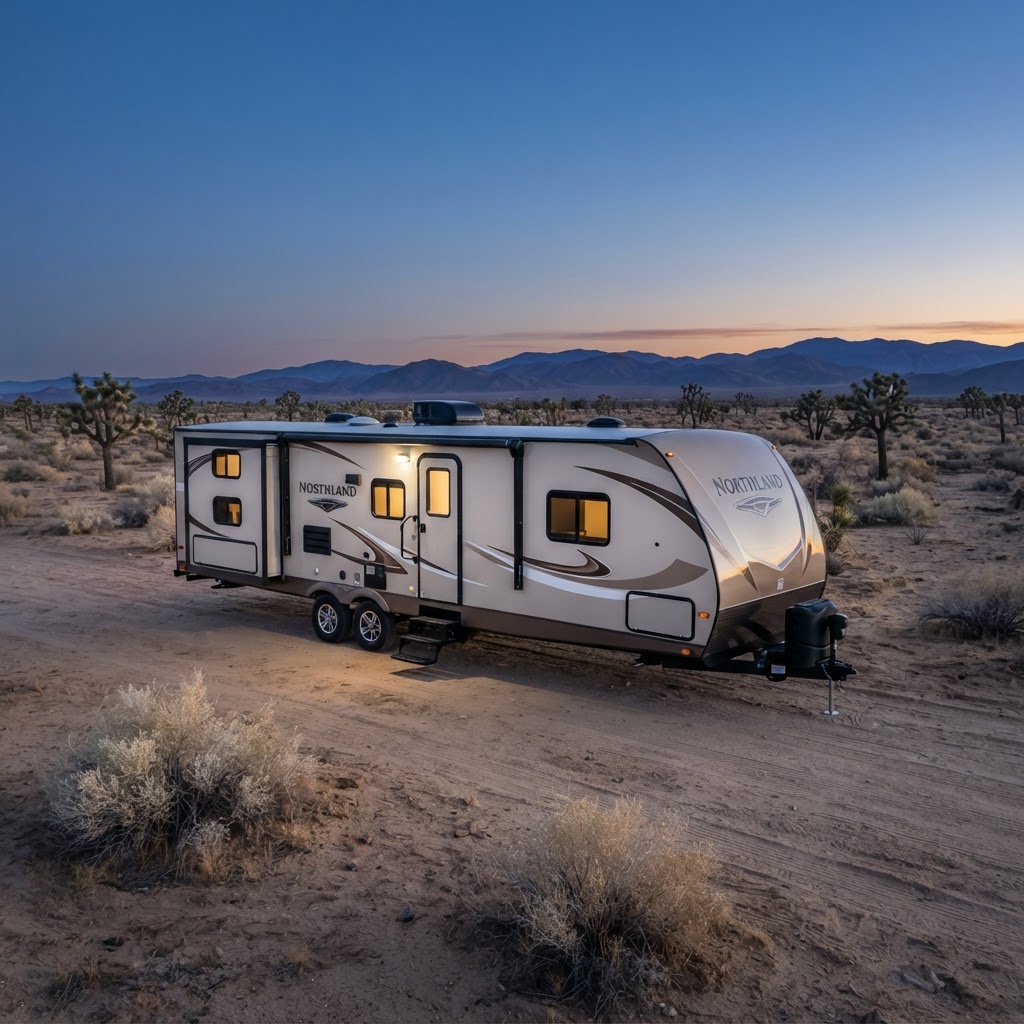
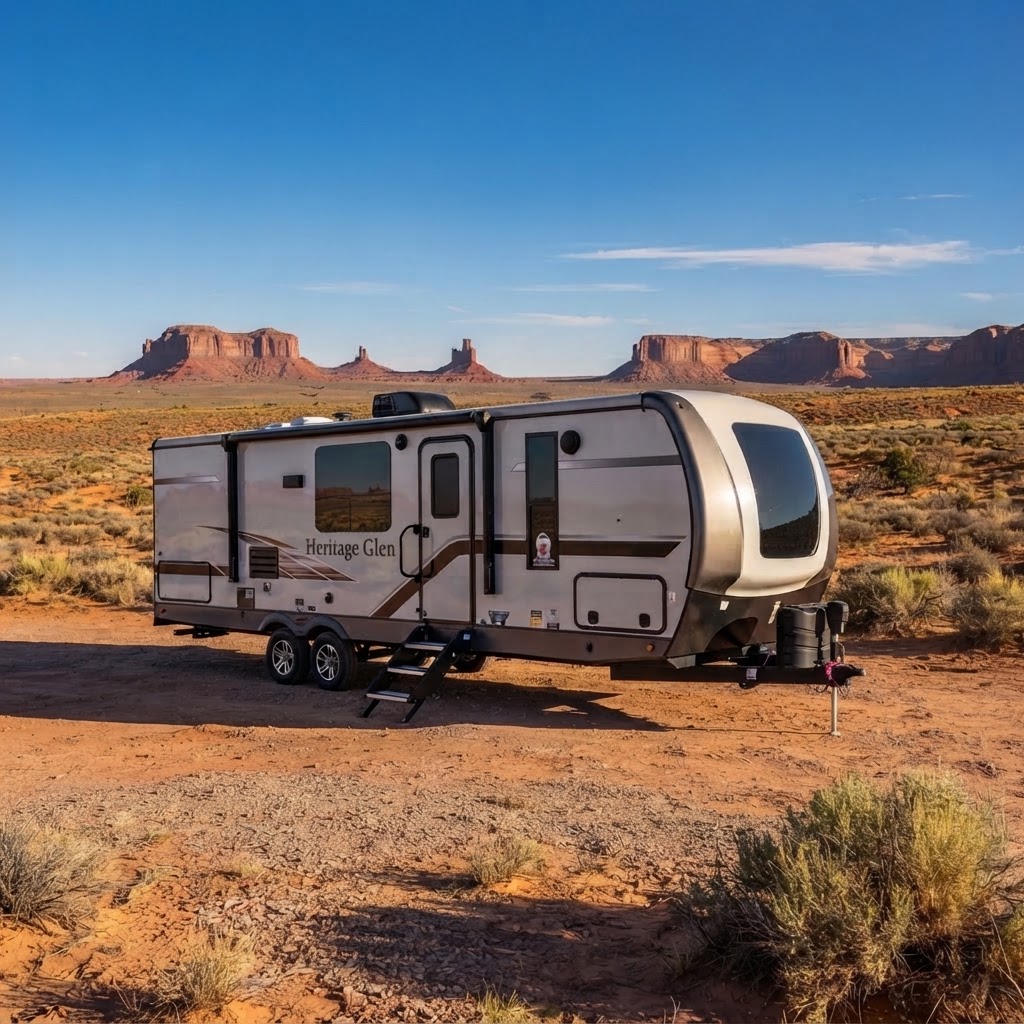
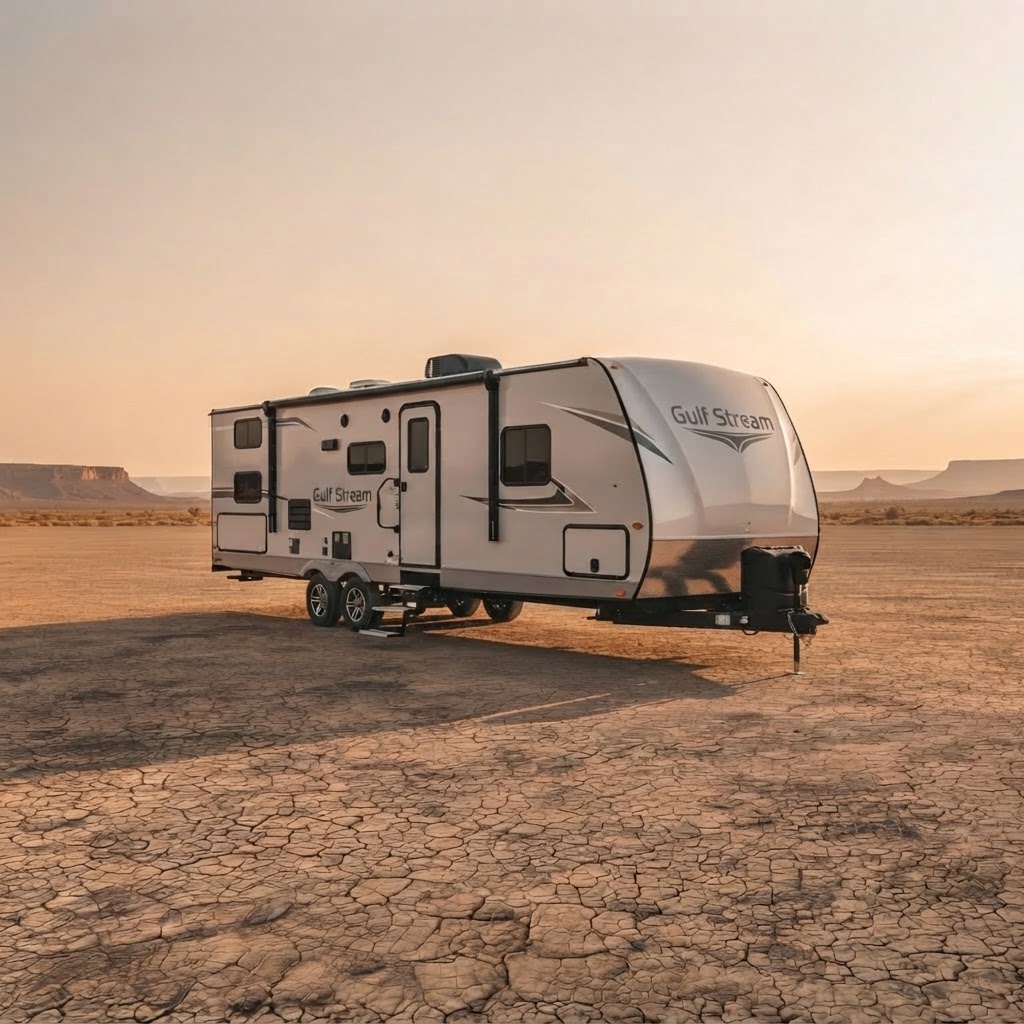
Trailers available this season
Keep reading
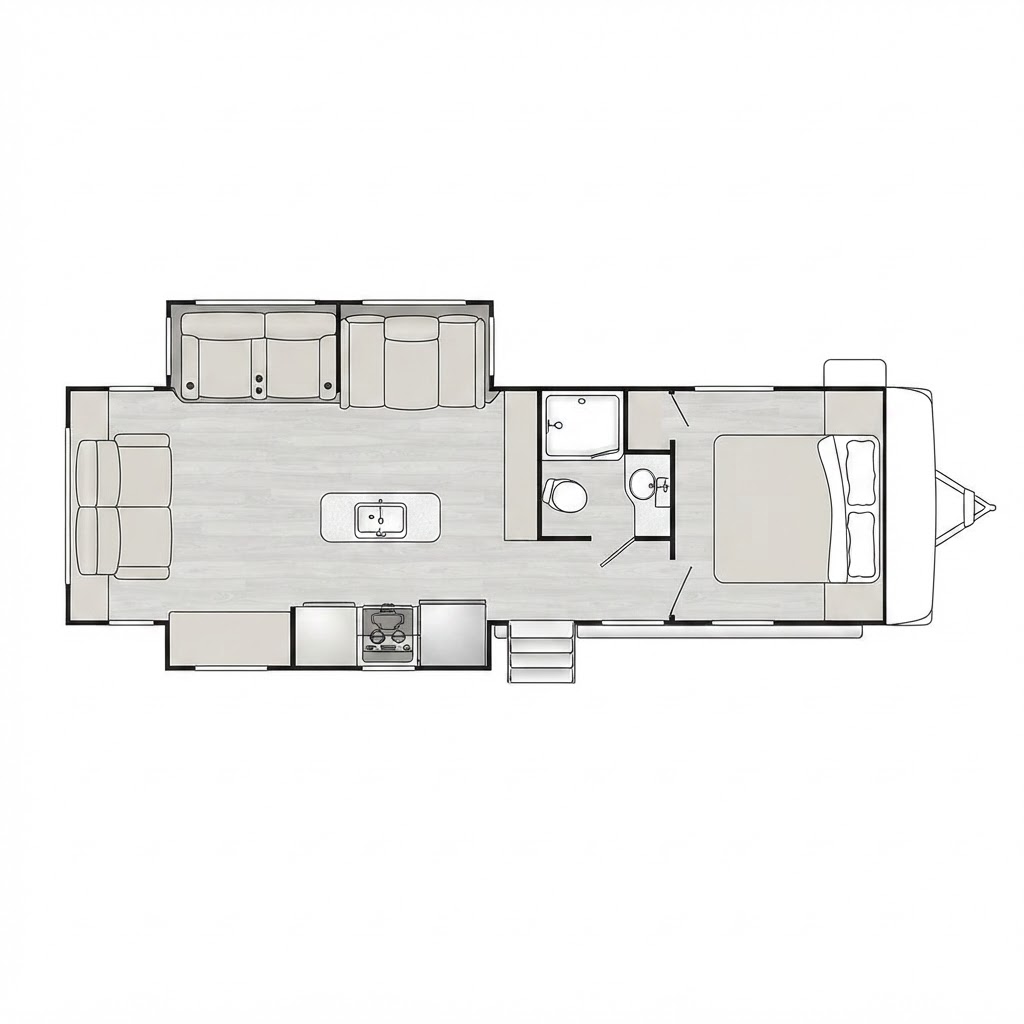
Why Renting an RV in Reno Makes Sense for Burning Man
Why Reno is the practical starting point for a Burning Man RV rental, what to confirm at pickup, and how to stage water, fuel and supplies before the desert.
September 20, 2026
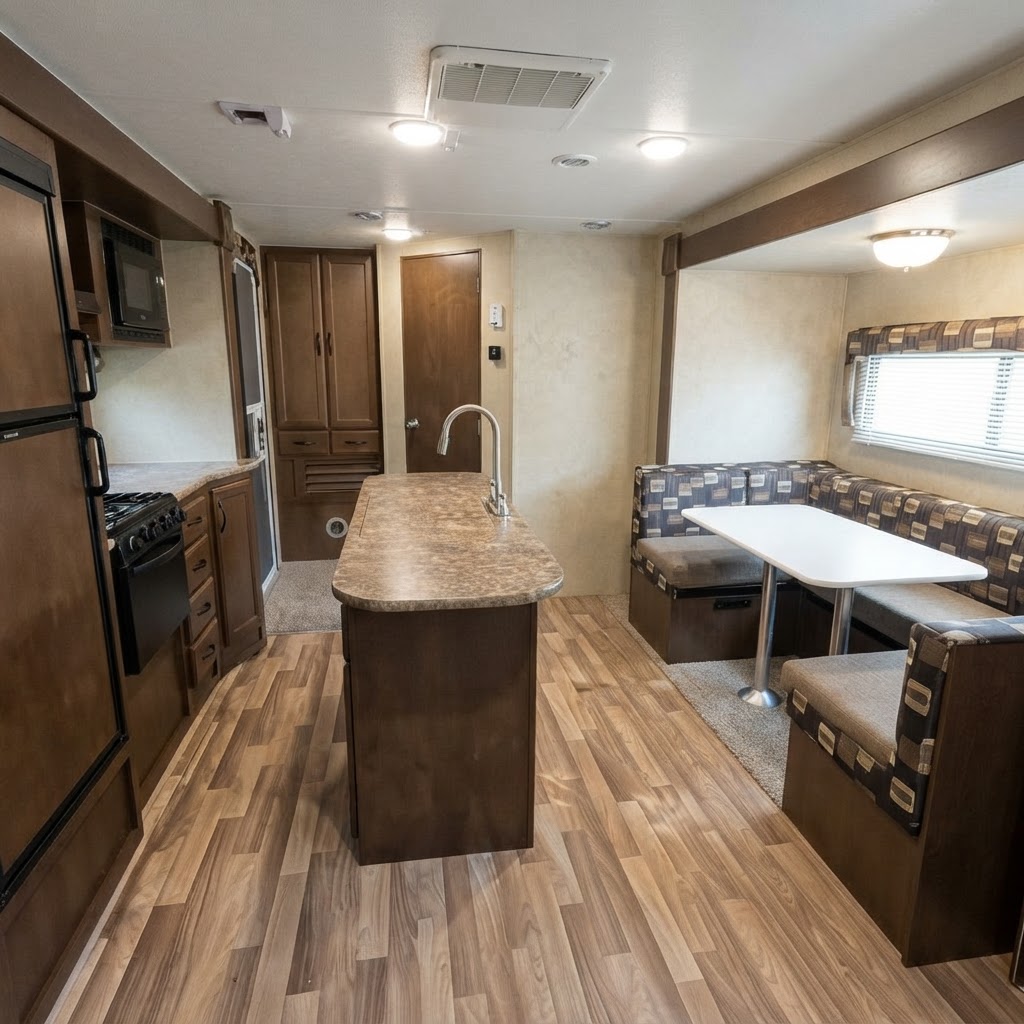
Burning Man RV Packing Checklist: Everything You Need
A practical Burning Man RV packing list: what to buy in Reno, what the trailer already provides, and the small items that decide whether the week runs smoothly.
September 28, 2026
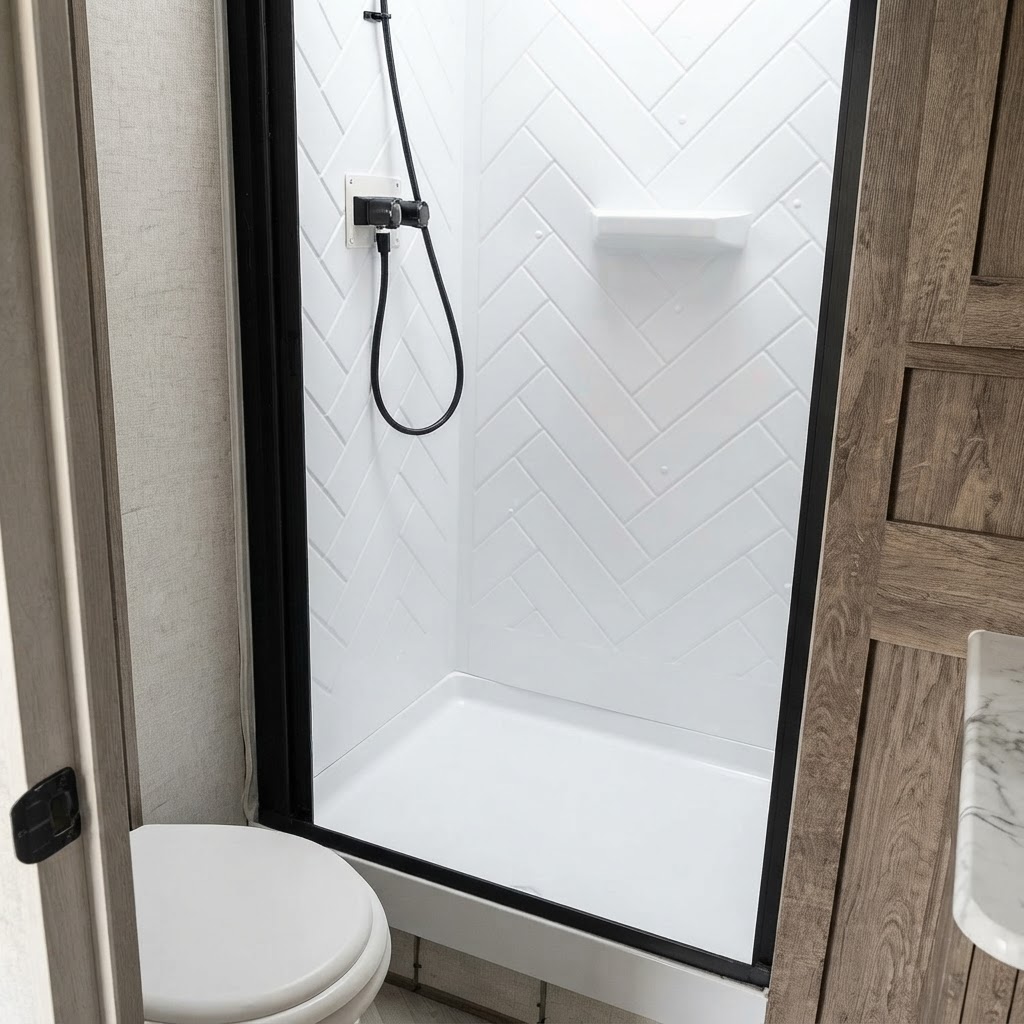
Burning Man RV Delivery and Setup: What You Need to Know
How RV delivery to Black Rock City works, what setup includes, why it is not always available, and how to plan around the constraints.
October 18, 2026