
How to Keep Your RV Cool at Burning Man
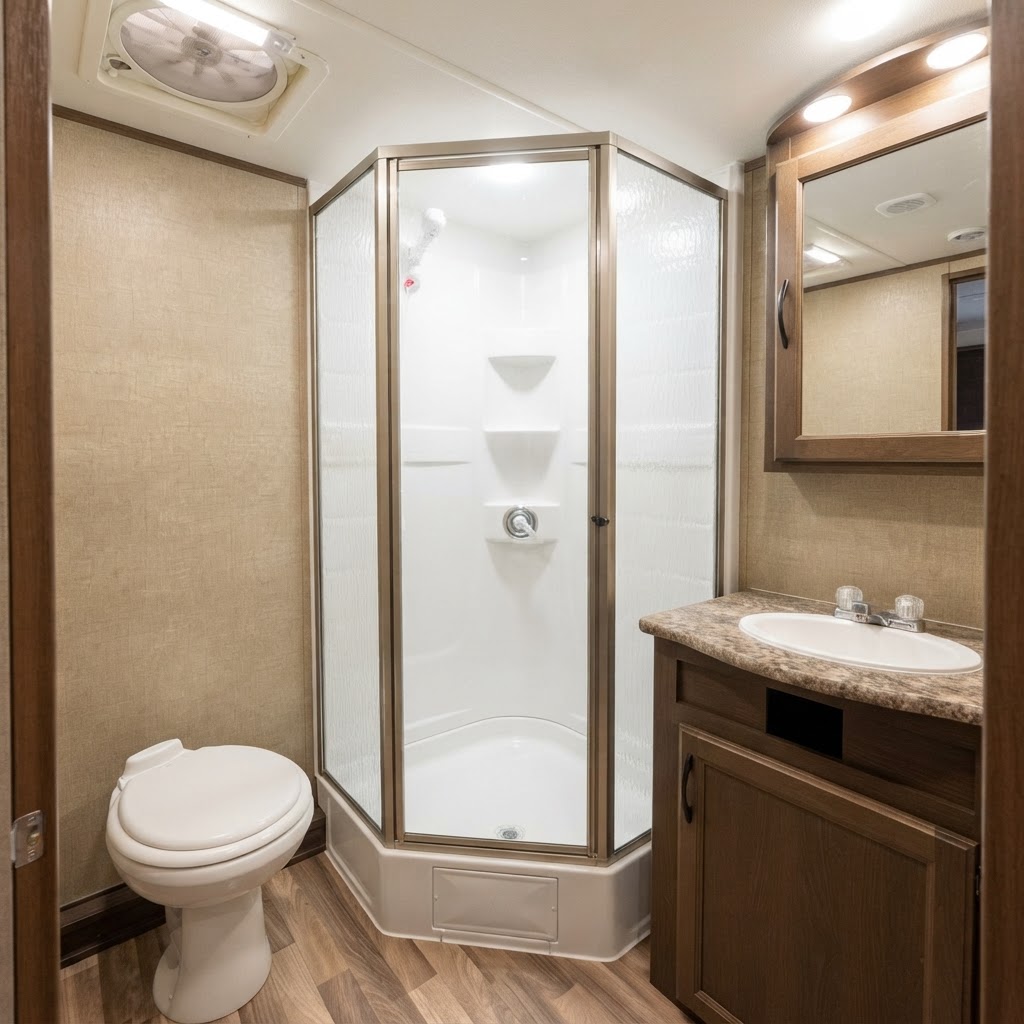
Keeping an RV cool at Burning Man is a strategy rather than a switch: shade first, timing second, air conditioning third. An RV in full sun on the playa is a metal and fibreglass box with windows. Interior temperatures comfortably exceed 45°C by early afternoon. Cooling one is a strategy, not a switch.
Understand where the heat comes from
Three sources, in order of impact: direct sun on the roof and the sunny wall, hot air infiltrating through every seal, and heat produced inside by cooking, appliances and people.
Roof heat is the largest single contributor, which is why shade matters more than a bigger air conditioner. Block the sun before it reaches the shell and the AC has a fraction of the work to do.
Shade the trailer, not just the awning
An awning shades a wall but leaves the roof exposed. Effective approaches:
- Aluminet or reflective shade cloth stretched over the roof, held clear of the surface by poles so air moves between cloth and roof.
- Park with the long wall facing away from the afternoon sun where your placement allows it.
- Shade the refrigerator vent side — a fridge fighting direct sun struggles in any climate.
If your camp has a shade structure, position the trailer so the roof falls inside it. This is the single highest-return change available to a renter.
Close it up during the day
Counter-intuitive but true: opening windows at 3pm lets hot air in. Keep the trailer sealed and shaded during peak heat, then open it in the evening when outside air becomes cooler than inside air.
Use reflective covers on sun-facing windows. Foil-faced bubble insulation cut to window size is cheap, light and dramatically effective.
Run the air conditioner with intent
Air conditioning needs either a generator or shore power. On the playa you will almost always be on a generator, and quiet hours constrain when you can run it.
A practical daily pattern:
- Early morning — run the AC while it is still cool outside and the interior is easiest to pull down. Cool the box before the heat arrives.
- Midday — AC off or intermittent, trailer sealed and shaded. Retreat to camp shade.
- Late afternoon — a short run to take the edge off before evening.
- Night — AC off, windows, vents and fans open. Desert nights fall sharply.
This uses less fuel than fighting midday heat and produces a more comfortable day.
Improve air movement for almost nothing
Battery fans move air across skin, which is what actually makes heat tolerable. Two small fans — one pulling air in at a low vent, one pushing hot air out through a roof vent — outperform one large fan aimed at a person.
Roof vent fans are worth using even with the AC running: hot air stratifies at the ceiling, and removing it shortens the cooling cycle.
Reduce internal heat load
- Cook outside or early, not at midday inside.
- Turn off unnecessary lights and electronics.
- Dry laundry outside, never indoors.
- Keep the fridge as full as possible and open it briefly — an empty fridge cycles constantly.
Sleep strategy
Get your sleep in two blocks: a long cool block at night and a shorter one in the early morning while the trailer is still cool. Trying to sleep through a 40°C afternoon is a losing fight no matter what equipment you have.
Check weather conditions and the official Burning Man preparation pages for heat safety guidance before you travel.
Cooling on a budget: what actually works
Not everyone arrives with a generator, a shade structure and unlimited fuel. If resources are limited, spend them in this order.
First, shade the roof. A reflective tarp on poles costs less than a tank of generator fuel and reduces interior temperature more than any other single measure. Even a partial cover over the sun-facing half helps.
Second, block the glass. Foil-faced insulation cut to each sun-facing window takes an hour to fit and can drop interior temperature noticeably. Cover the windscreen area on a motorhome the same way.
Third, move air. Two battery fans, one drawing cooler air in at floor level and one pushing hot air out through a roof vent, keep the interior bearable without using fuel. This works better than one large fan pointed at a person.
Fourth, use the air conditioner as a tool rather than a background hum. Short, targeted runs during the coolest part of the day beat hours of futile effort at 3pm.
A cooling routine for the week
Day one sets the pattern. When you arrive, before anything else: park so the long sun-facing wall is shaded if placement allows, fit window covers, check the air filter, and confirm the generator starts.
Each day, follow the temperature rather than the clock. Cool the trailer in the early morning while the outside air is still below the inside temperature. Seal it by mid-morning. Reopen at dusk. Run the air conditioner briefly in the late afternoon if you need a reset before evening.
Small disciplines support this: cook outside, dry towels outdoors, open the fridge briefly, and keep the door shut. Every one of those removes heat you would otherwise pay fuel to remove again.
Frequently asked questions
Can solar run the air conditioner?
No. Air conditioning draws far more than panels and batteries on a rental trailer can supply. Use a generator.
Is a swamp cooler a good alternative?
Evaporative cooling works in dry heat but consumes water you may need for drinking and washing. Weigh it against your water budget.
How much fuel will the AC use?
Enough that you should plan fuel per hour of run time rather than per day. See our generator guide.
Does shade really beat a bigger AC?
In practice, yes. Shade reduces the load permanently; a larger unit only runs harder.
Is it cooler inside a trailer than in a tent?
Substantially, particularly at midday. A shaded, sealed trailer with the air conditioner running early holds a liveable interior temperature where a tent becomes unusable.
What temperature should I set the air conditioner to?
Set it as low as it will go while running, but do not expect it to hold there through a desert afternoon. Aim for relief, not refrigeration.
The fleet
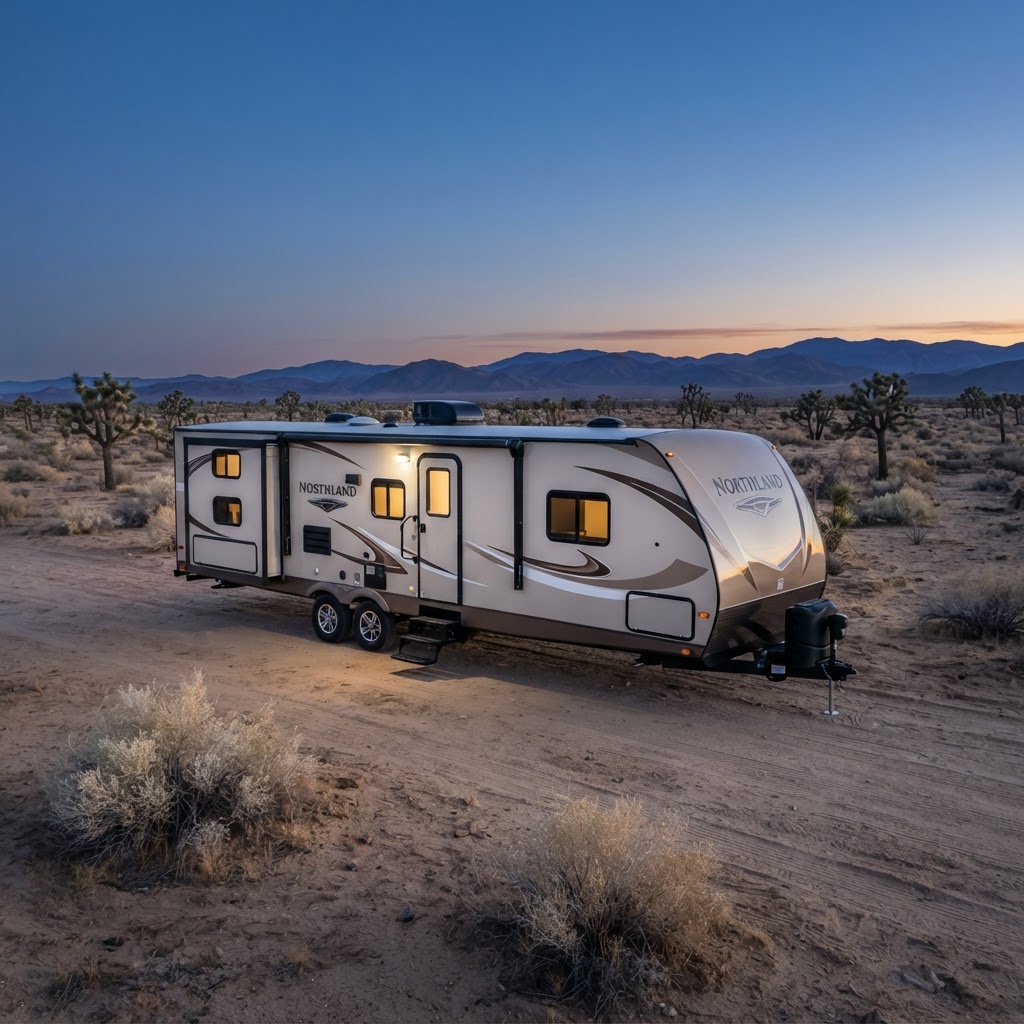
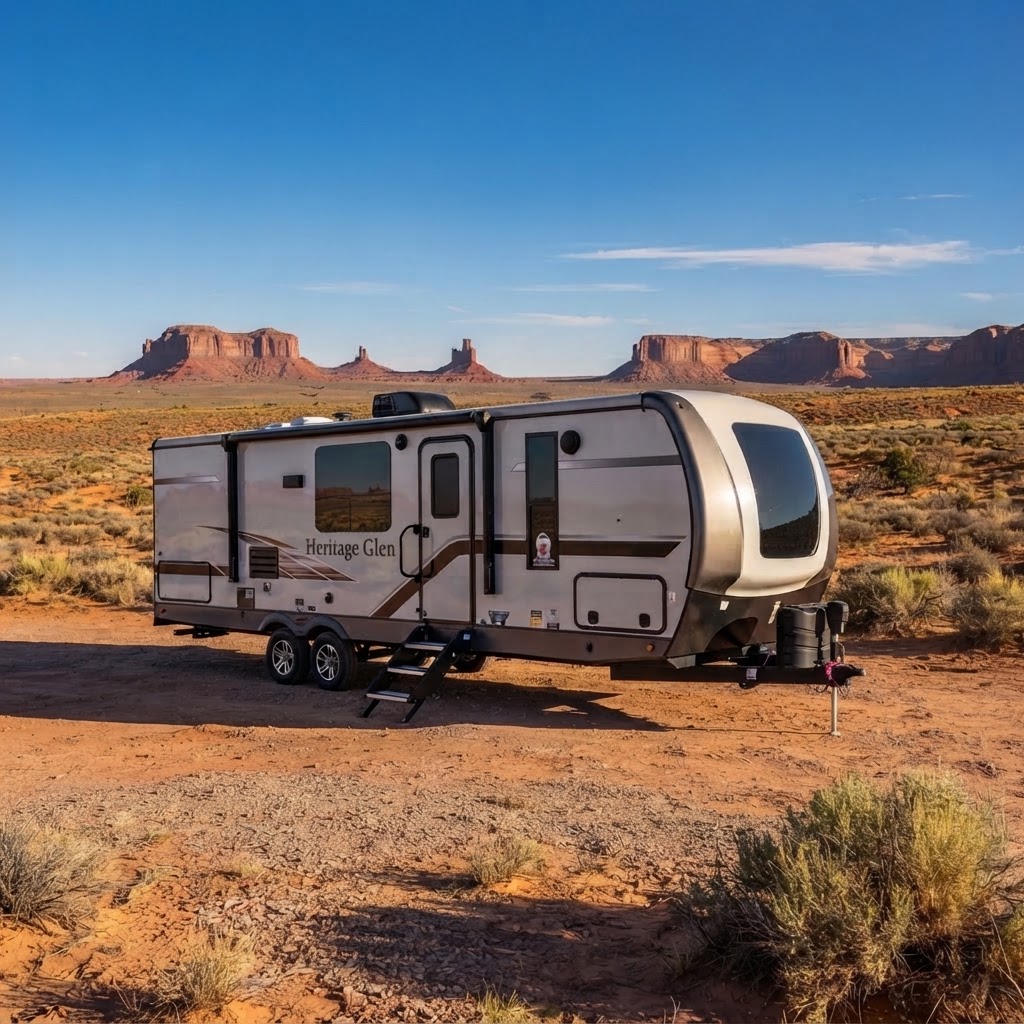
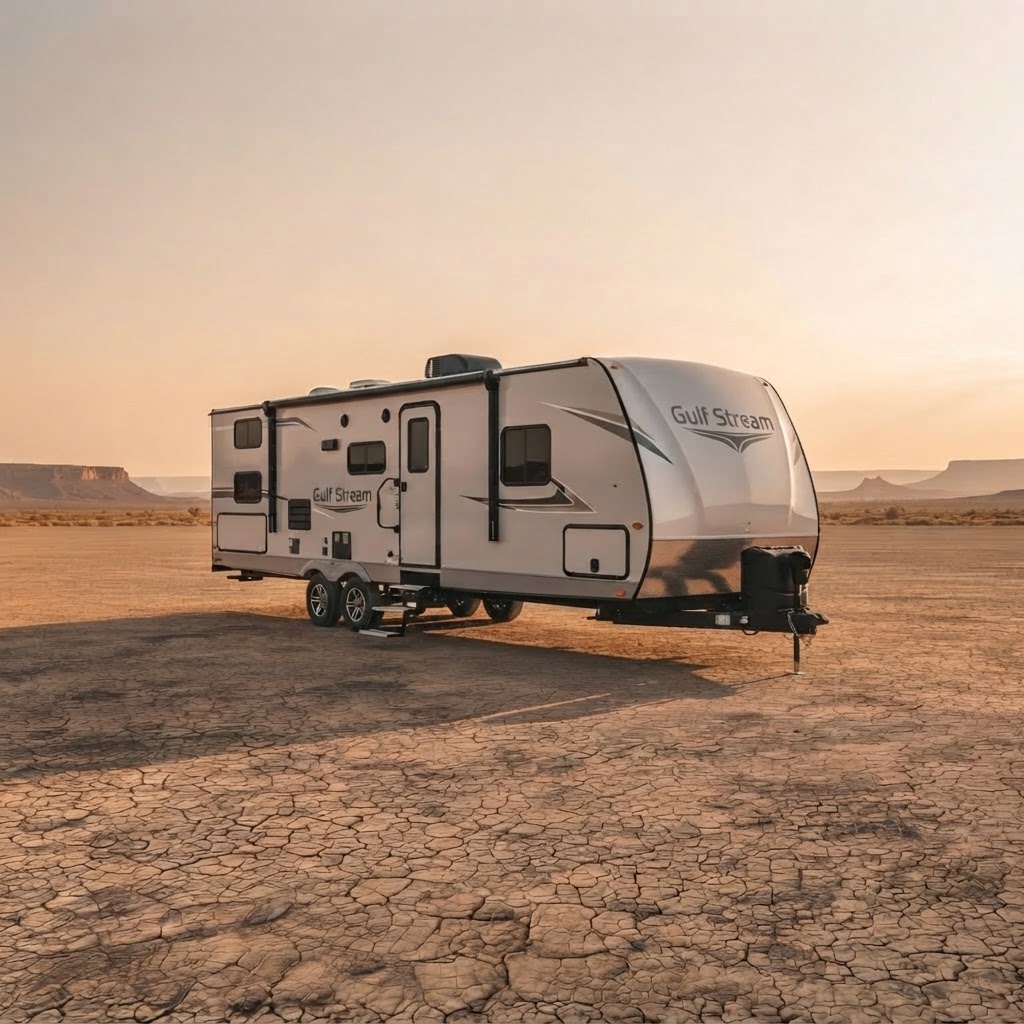
Trailers available this season
Keep reading
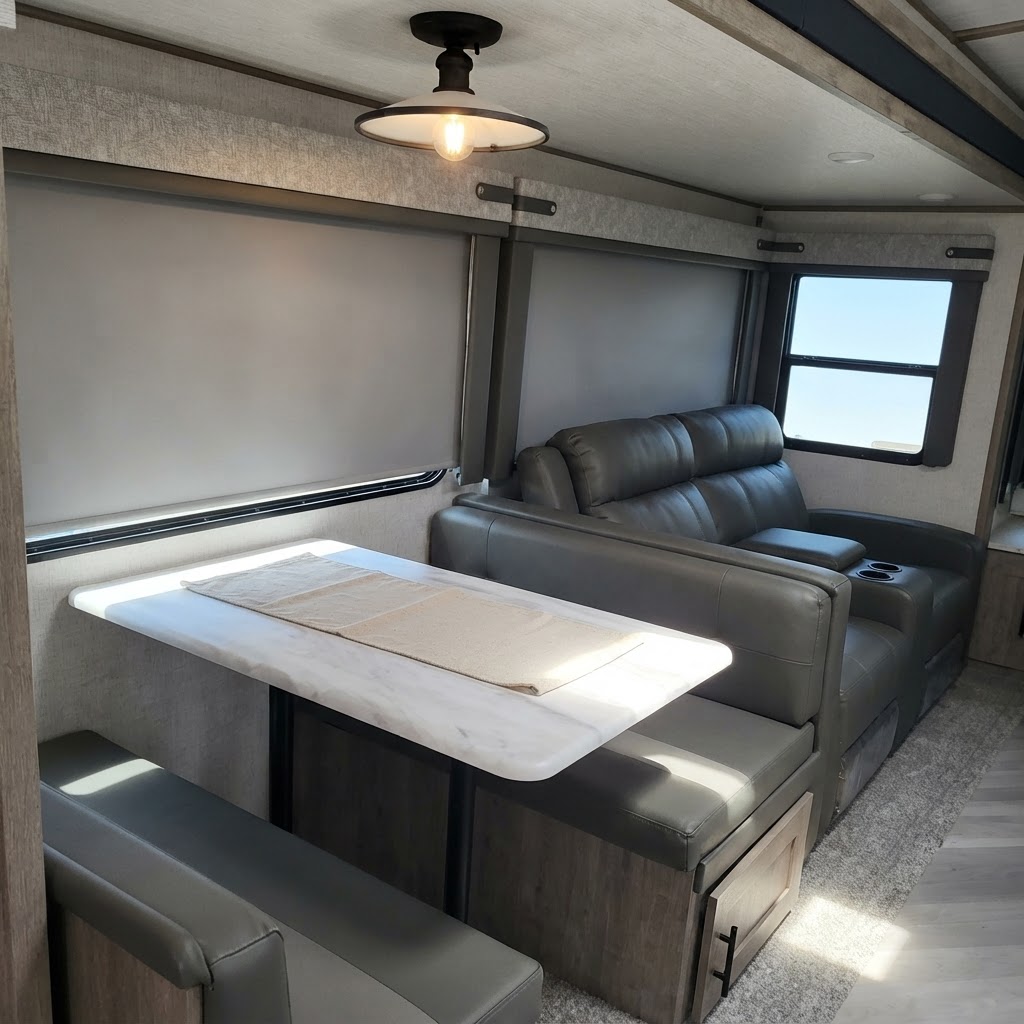
Burning Man RV Generator Guide: Power, Fuel and Safety
How RV generators behave on the playa: load planning, fuel storage, quiet hours, carbon monoxide safety and keeping dust out of the intake.
October 6, 2026
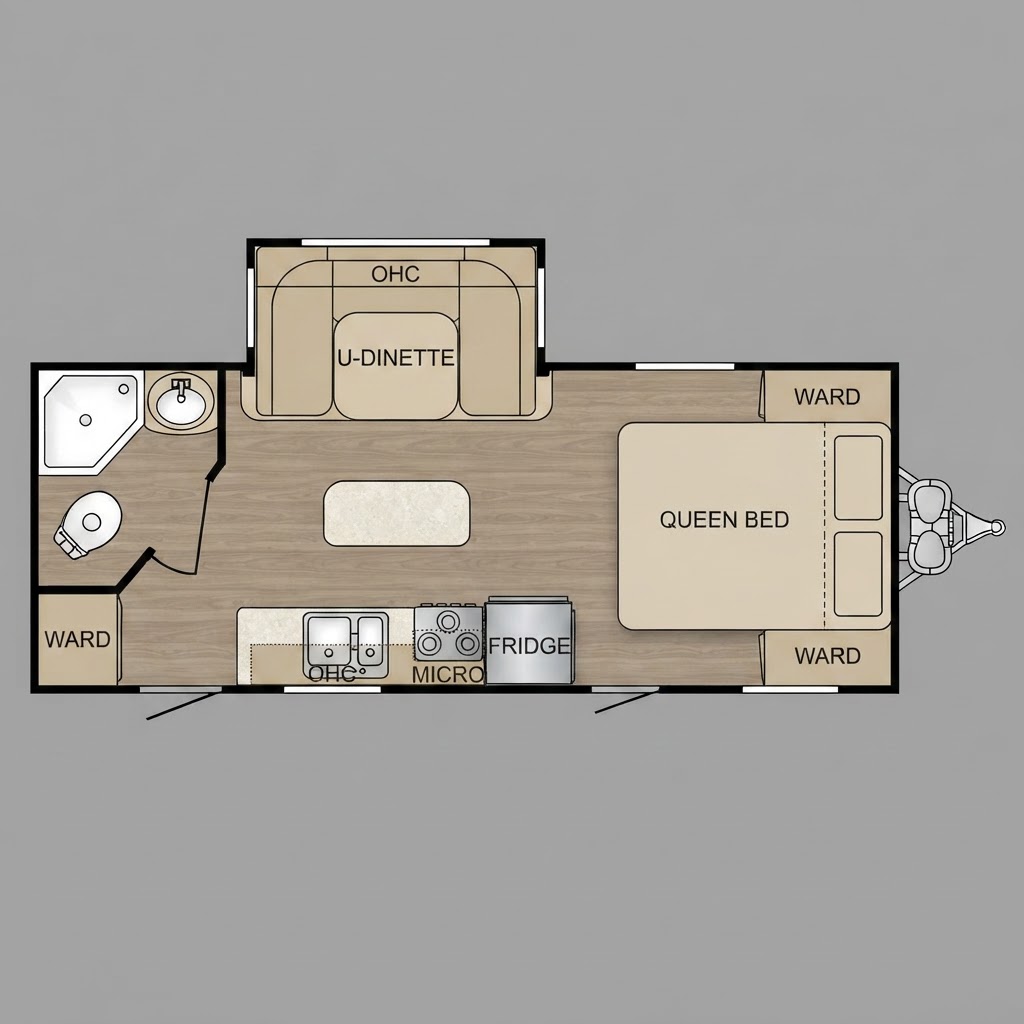
The Best RVs for Burning Man: Choosing the Right Size and Layout
Which RV suits Burning Man: trailer, motorhome or camper van, how much sleeping space you actually need, and the systems that matter more than the layout.
September 24, 2026
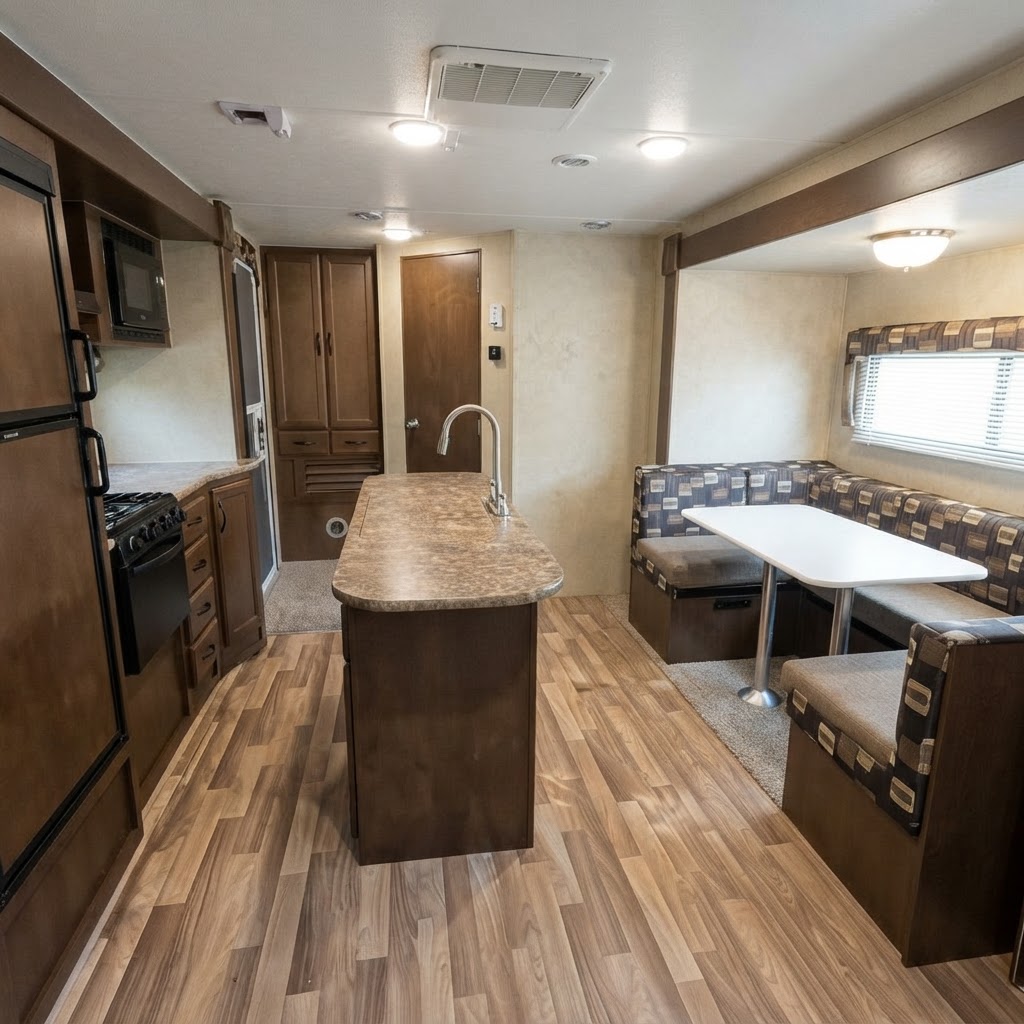
Burning Man RV Packing Checklist: Everything You Need
A practical Burning Man RV packing list: what to buy in Reno, what the trailer already provides, and the small items that decide whether the week runs smoothly.
September 28, 2026